
Maintaining software includes essential tasks such as upgrading to newer versions to access the latest features, applying patches to fix bugs, receiving technical support from the vendor or authorized distributor, and transferring licenses between devices. But what if the end-user doesn’t need these updates? For example, you might be completely satisfied with your current software version, which has been stable since purchase, and your computer is already equipped with the latest hardware—no plans to upgrade for the next 5–10 years. In such cases, many assume that software maintenance is unnecessary, especially with a perpetual license.
However, this perception only scratches the surface. It overlooks the true nature of perpetual software licensing, the long-term benefits of maintenance, and the risks of not renewing it. Most software vendors advertise perpetual licenses as “lifetime ownership,” but in reality, software depends on several external components to function—such as hardware, operating systems, and supporting platforms.
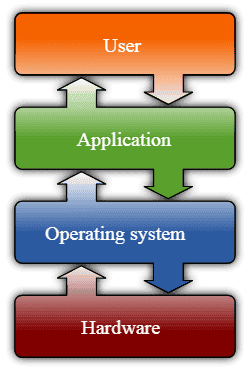
In today’s digital work environment, users typically operate multiple applications—like Microsoft Office, Adobe Suite, AutoCAD, browsers, email clients, and remote tools like TeamViewer. These are regularly updated to enhance performance and compatibility. Similarly, hardware manufacturers constantly release new generations of computers designed to run modern software efficiently.
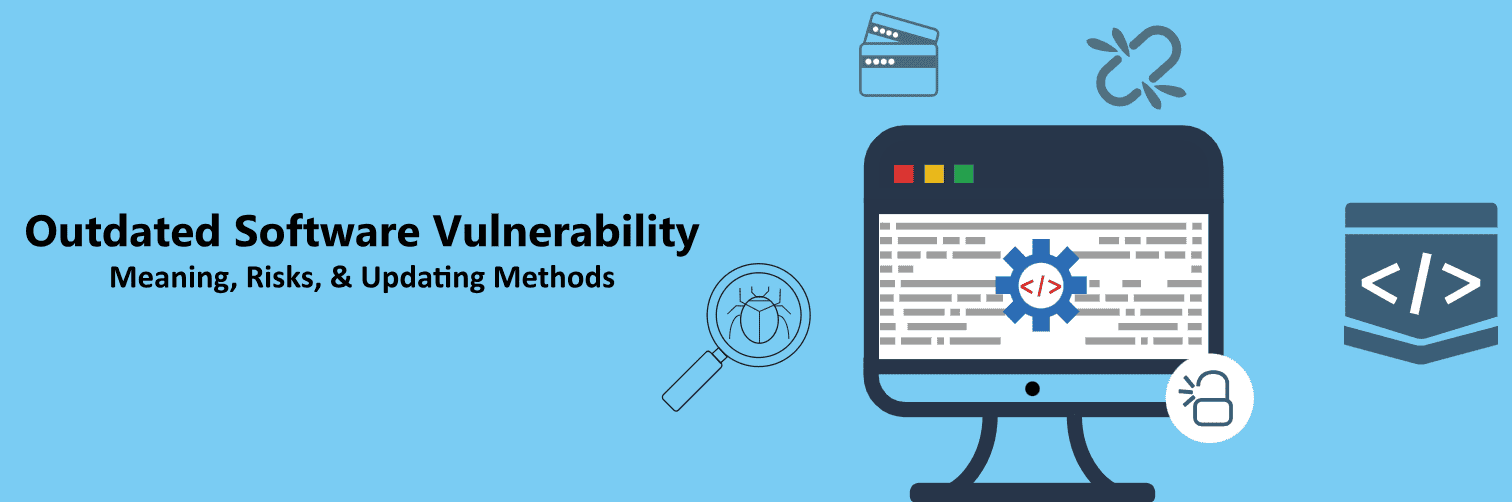
When a software version is no longer updated, it gradually becomes incompatible with newer operating systems, updated applications, or modern hardware. This results in bugs like crashes, long startup times, file saving errors, or even complete failure to open the software. The more you upgrade your OS and other apps, the more incompatibility issues you'll face. This not only disrupts productivity but can also lead to file loss and time wasted redoing work due to sudden crashes.
What if you keep the old system and OS to support outdated software?
This may seem like a solution, but in reality, it causes more problems. Hardware performance deteriorates over time, and outdated software versions may no longer be able to integrate or exchange data with modern platforms. Version mismatches also create compatibility barriers in communication with partners, clients, or colleagues. Additionally, old versions of essential software like Office or Adobe may become EOL (End of Life), meaning they are no longer supported by the vendor.
Another common issue is hardware failure. If your licensed device breaks and your perpetual license is locked to that machine, you may need to repurchase the software or pay to transfer the license to a new device.
.jpg)
Maintaining Software = Software Insurance
Maintaining and upgrading your software annually is like purchasing insurance for your license—ensuring long-term stability and minimizing unexpected costs after the first year of ownership.
Is It Wasteful to Pay Annual Maintenance Fees After Purchasing a Perpetual License?
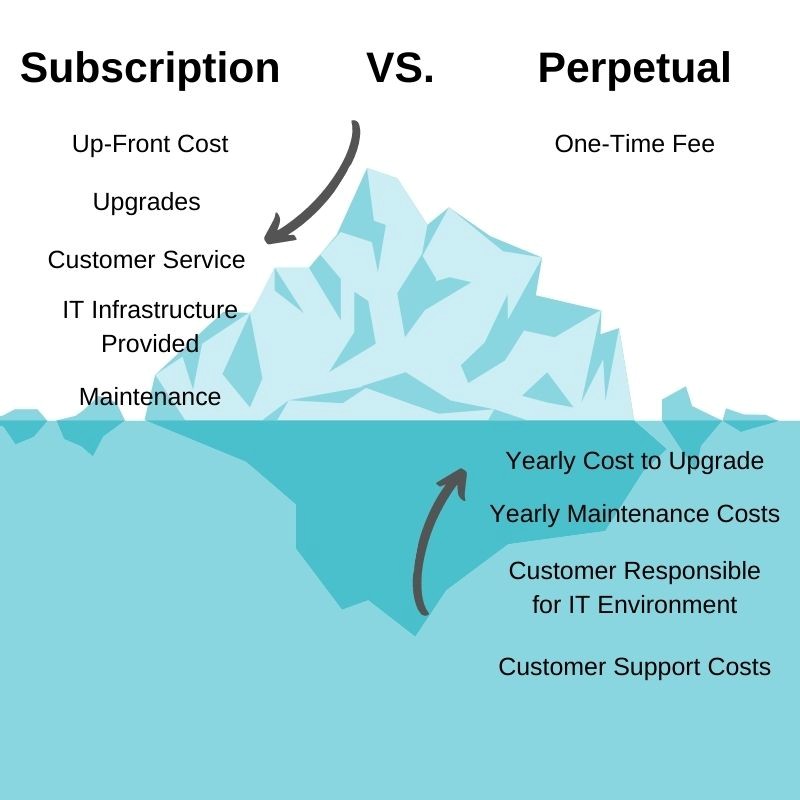
From one perspective, yes. Paying for annual maintenance on top of a high one-time purchase can significantly increase your total investment over time. It becomes difficult to achieve a strong ROI from perpetual licensing. That's why software vendors are increasingly adopting subscription or SaaS (Software as a Service) licensing models.
With a subscription, the maintenance and upgrade costs are built into the rental fee. This approach offers several benefits:
In conclusion, maintaining software is not just about updates—it’s a proactive step to ensure long-term productivity, reduce operational risks, and future-proof your business.
Need advice on software licensing or maintenance? Contact us now:
Email: sales@di-software.vn
Hotline: 0904.524.597
Website: www.di-software.vn