
DESIGNCENTER NX 2512: WHAT’S NEW IN MOLD & TOOL DESIGN
Designcenter NX 2512 further strengthens its position as the core platform of the comprehensive Digital Twin, delivering major enhancements for mold design, progressive die design, and pressure die casting tooling.
This release focuses on automation, accuracy, and productivity, helping engineering teams reduce manual work and achieve first-time-right designs faster.
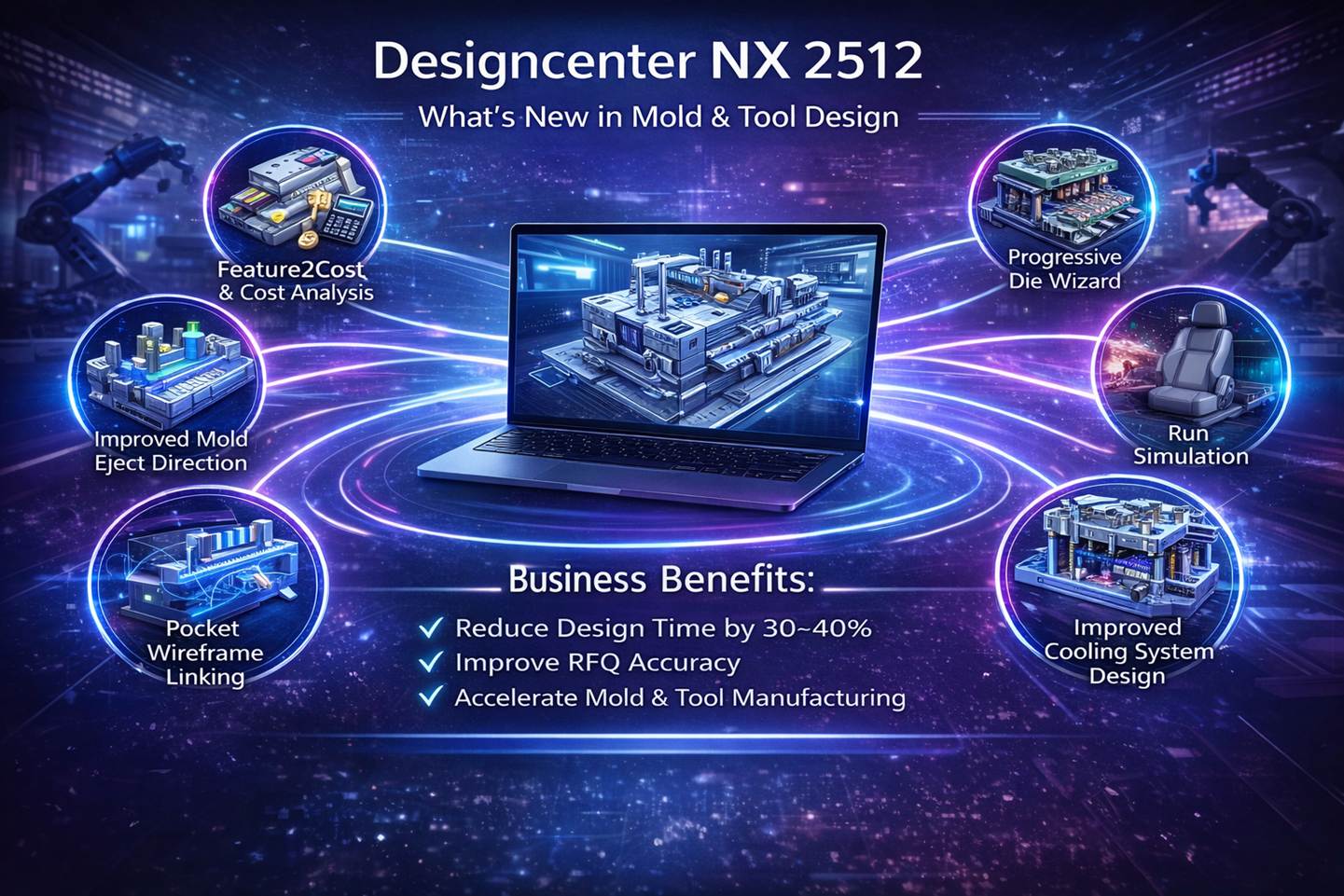
Overview of NX Mold Design in Designcenter NX 2512
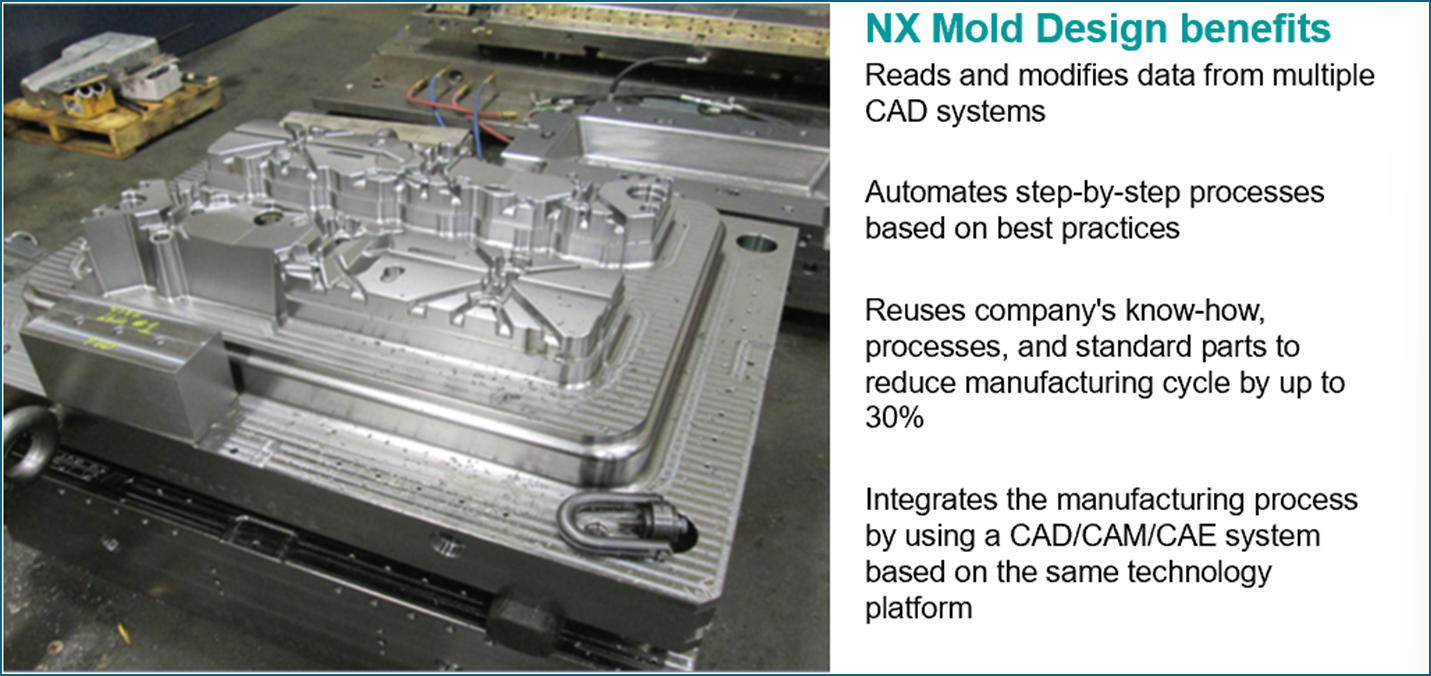
NX Mold Design is an end-to-end integrated solution that supports the entire mold development process—from product design and feasibility checks to core/cavity creation, motion simulation, and manufacturing preparation.
With NX 2512, Siemens introduces new capabilities that help manufacturers:
1. Enhanced RFQ and Cost Evaluation Capabilities
Feature2Cost – Automated Cost Data Application
NX 2512 introduces Cost Data Preference, enabling automatic assignment of cost parameters (such as undercuts, ribs, and inserts) by reading predefined cost data files.
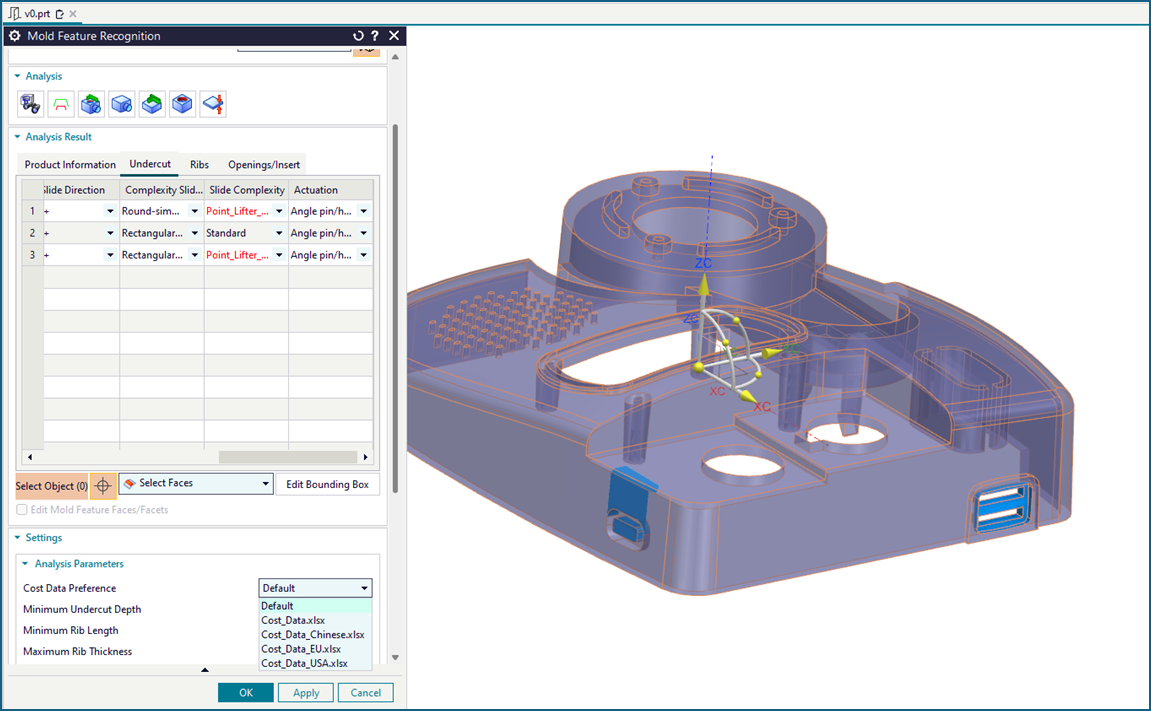
Key benefits:
Wall Thickness Check – Faster Manufacturability Validation
The improved wall thickness analysis displays results using rolling-ball-based sphere visualization, providing clear insight into thickness distribution.
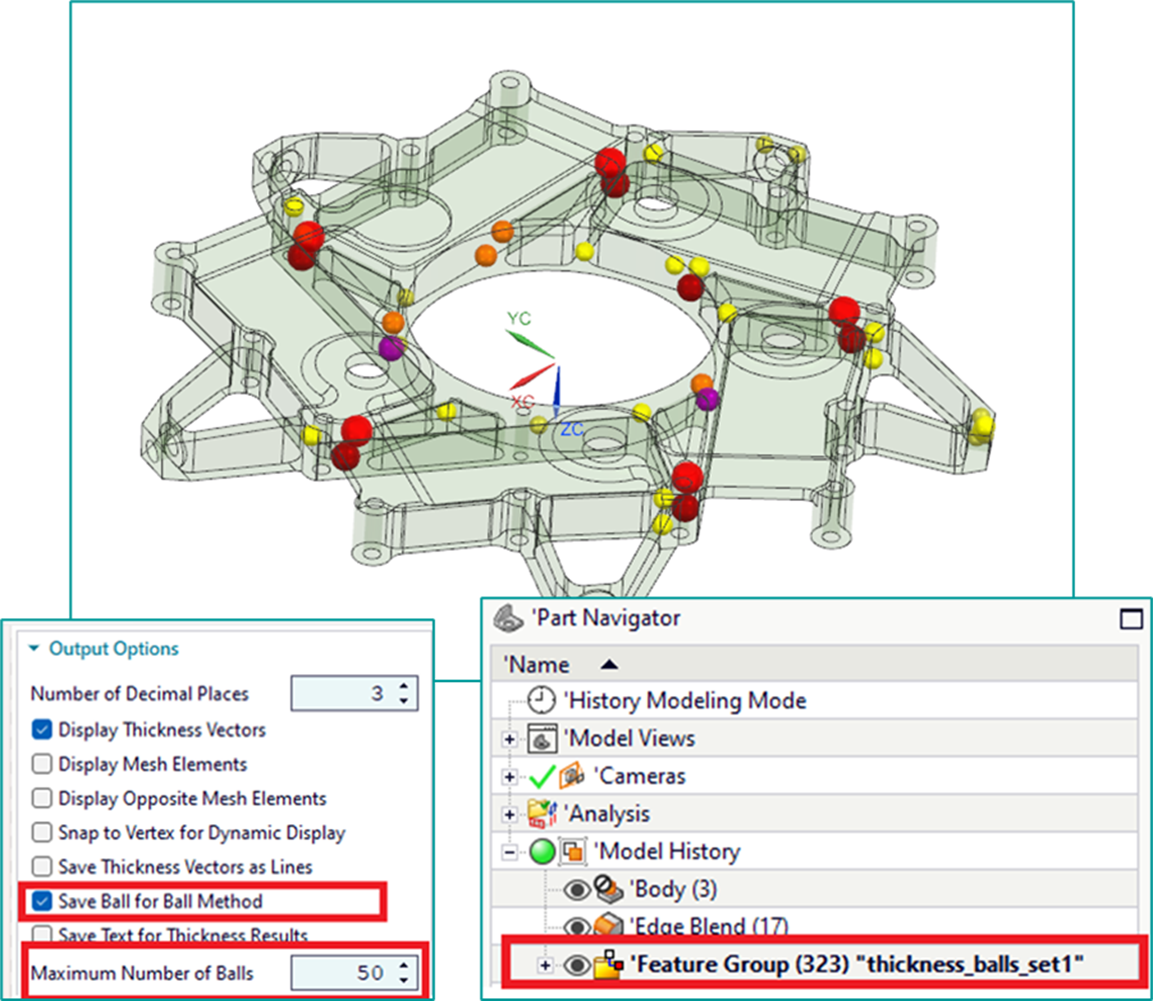
Advantages:
2. Improved Mold Eject Direction Management
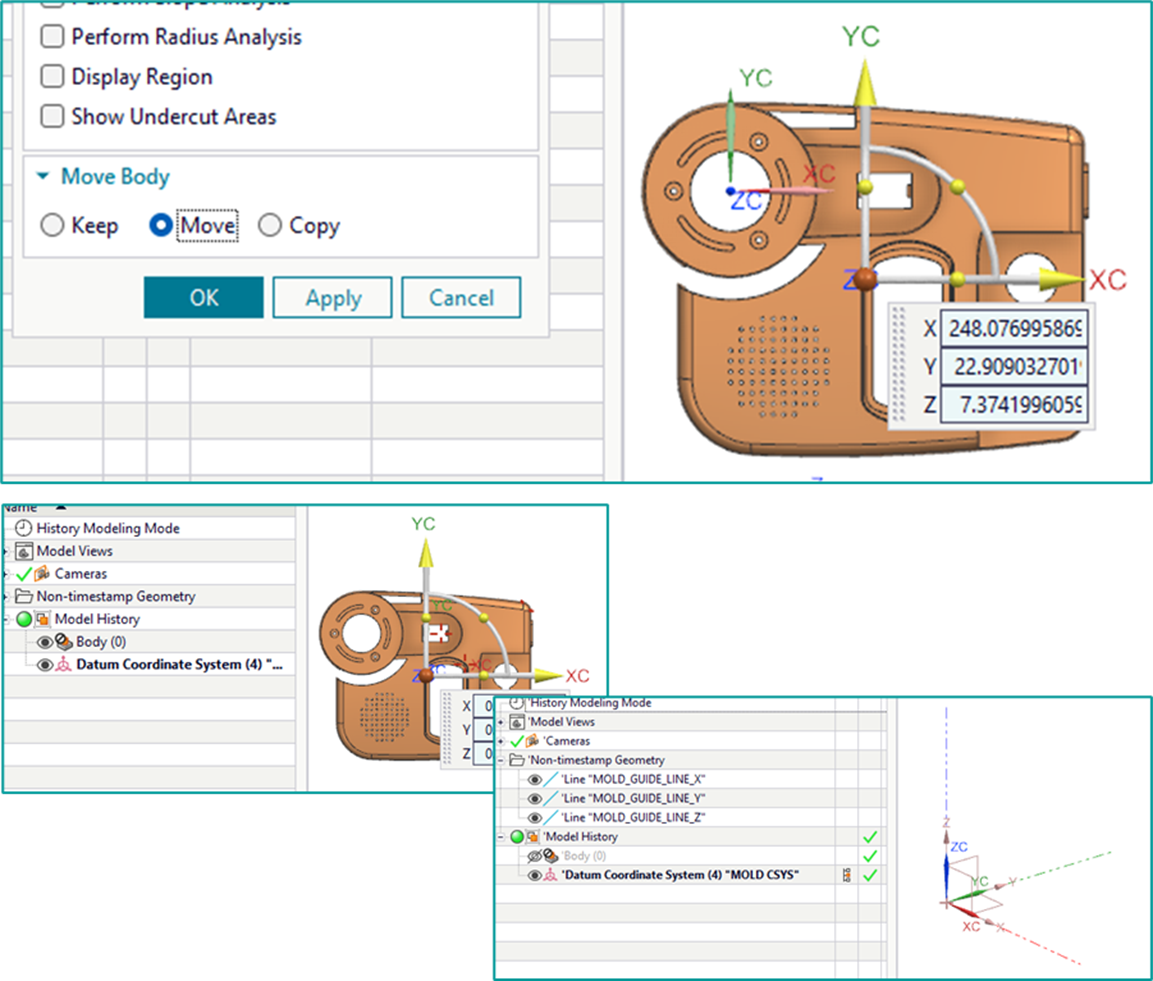
NX 2512 enhances Mold CSYS creation, giving users flexible control over product positioning relative to the absolute coordinate system:
Additionally, associative guiding lines are now directly linked to the Mold CSYS feature, ensuring automatic updates and consistent data when design changes occur.
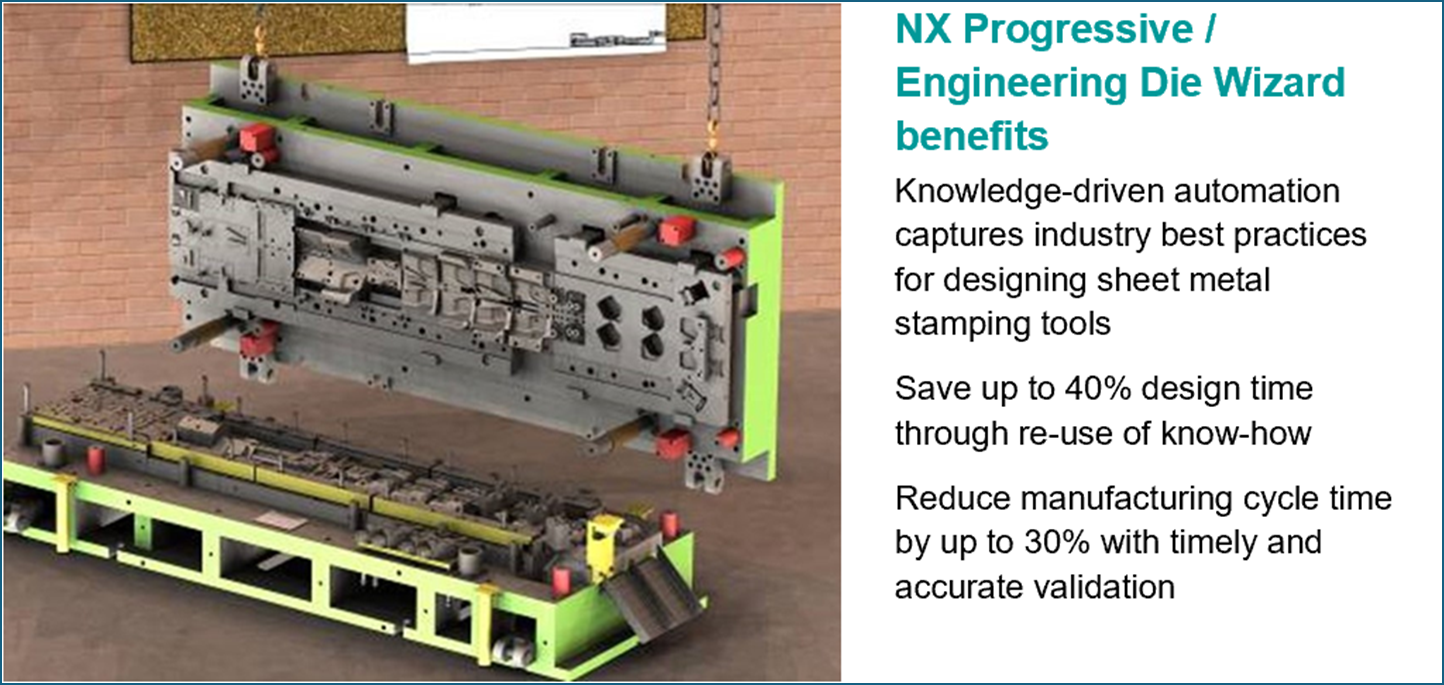
3. Advanced Automation for Progressive Die and Stamping Tool Design
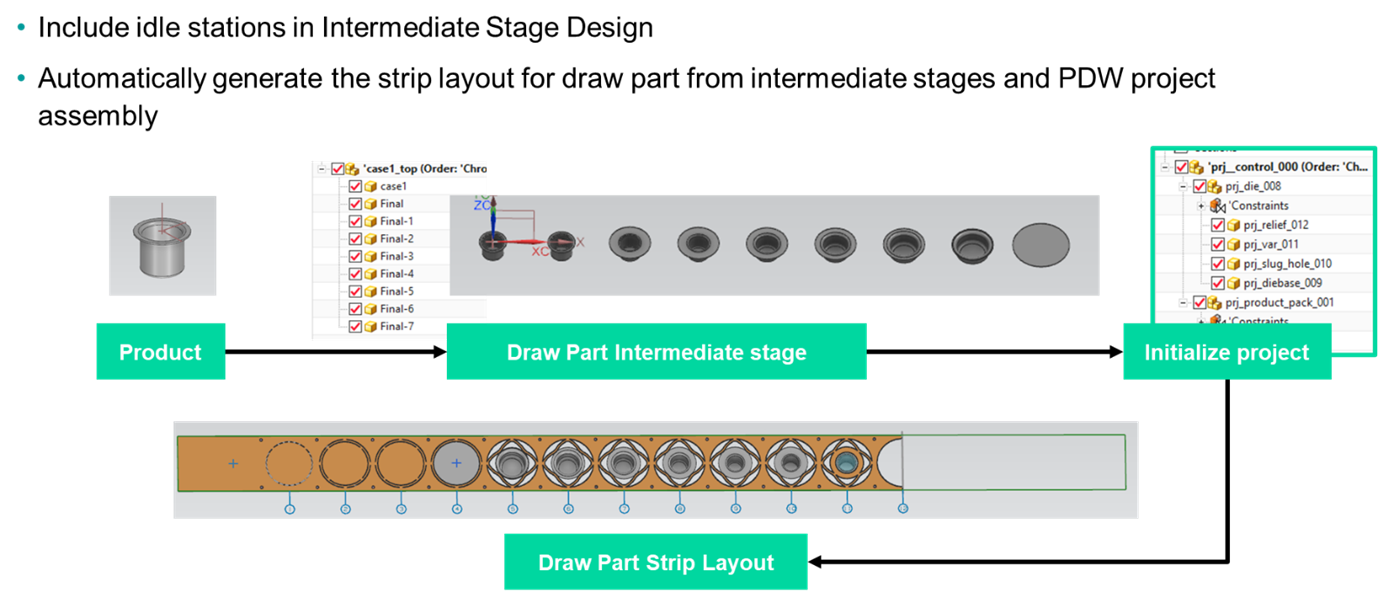
Progressive Die Wizard Enhancements
NX 2512 continues to refine the Progressive Die Wizard, focusing on improved usability and workflow automation:
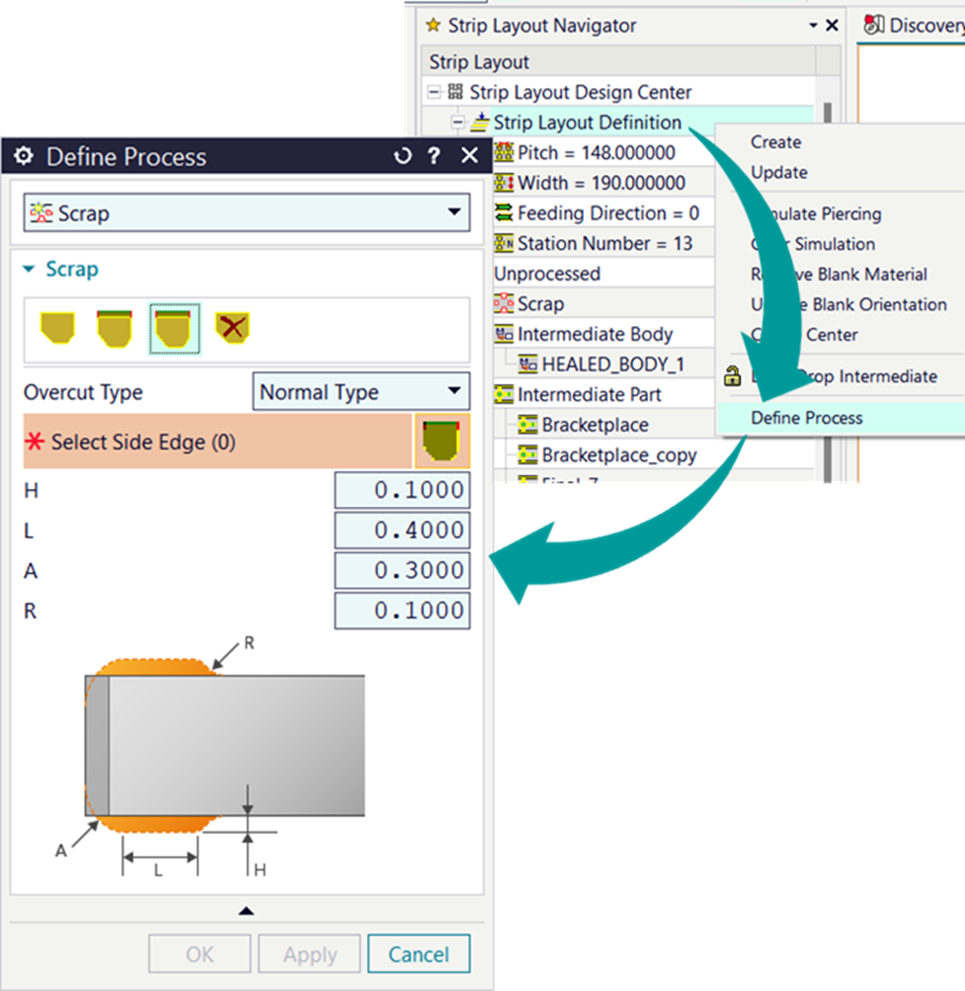
Scrap Design Directly Inside Strip Layout Workflow
Scrap operations such as Overlap, Overcut, and Delete can now be created directly within the Strip Layout workflow.
Benefits include:
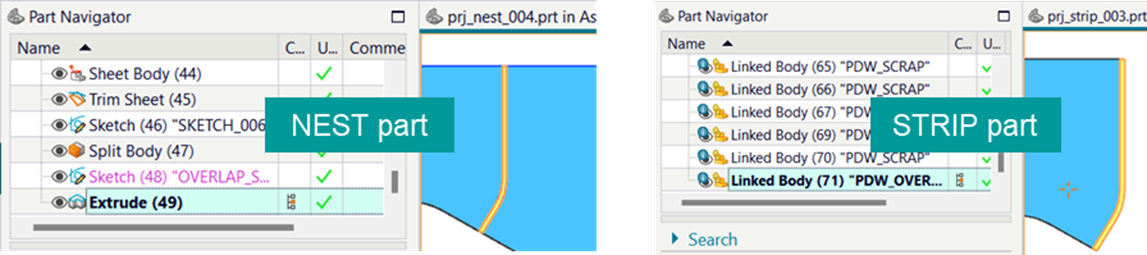
4. Pocket Design Improvements and Wireframe Context Management
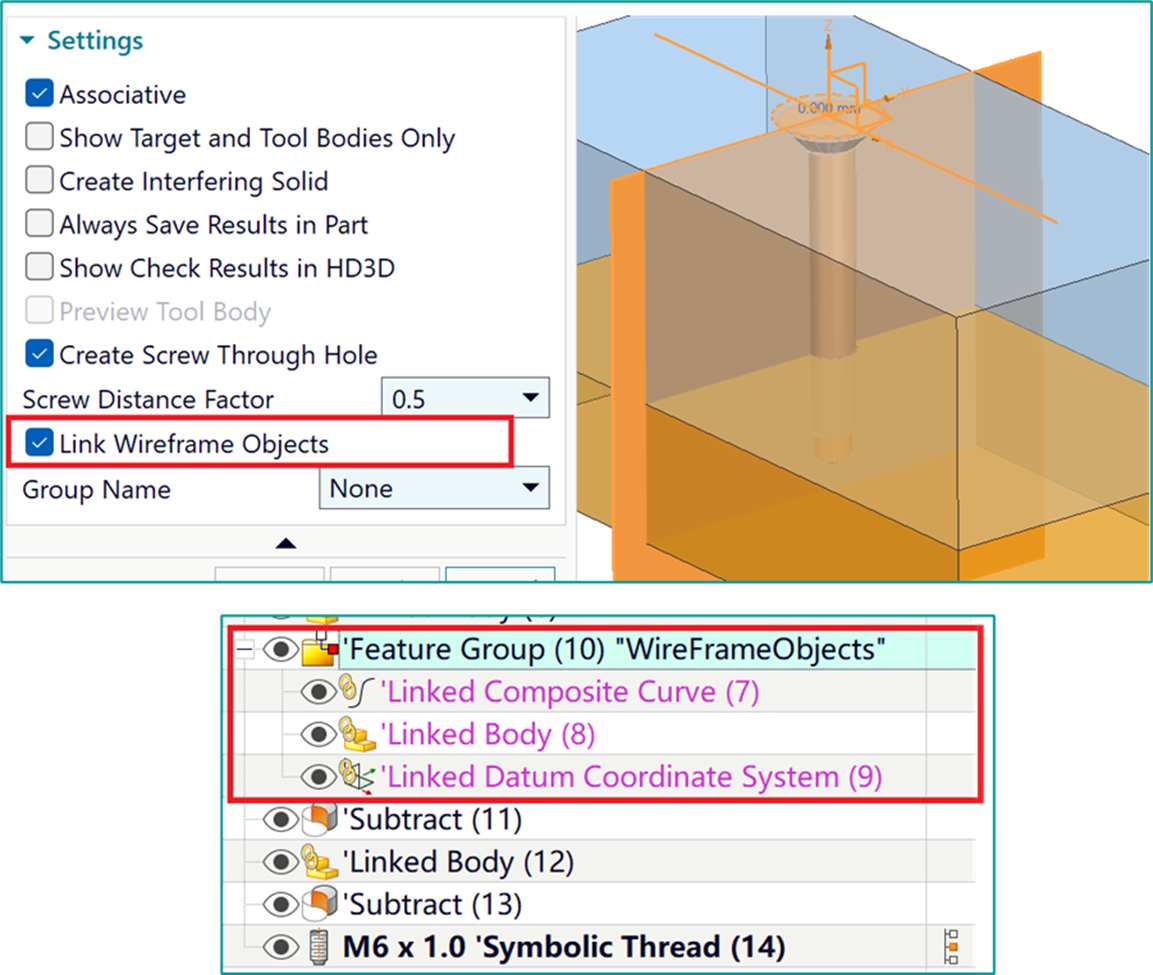
Both Mold Design and Progressive Die Design benefit from enhancements to Pocket – link wireframe objects:
This provides engineers with better design context while keeping models clean and robust.
5. Improved Cooling System and Pressure Die Casting Design
Cooling Channels – Baffle Part Clearance Automation
NX 2512 automates baffle clearance handling by reading default axial and radial clearances from customer settings.
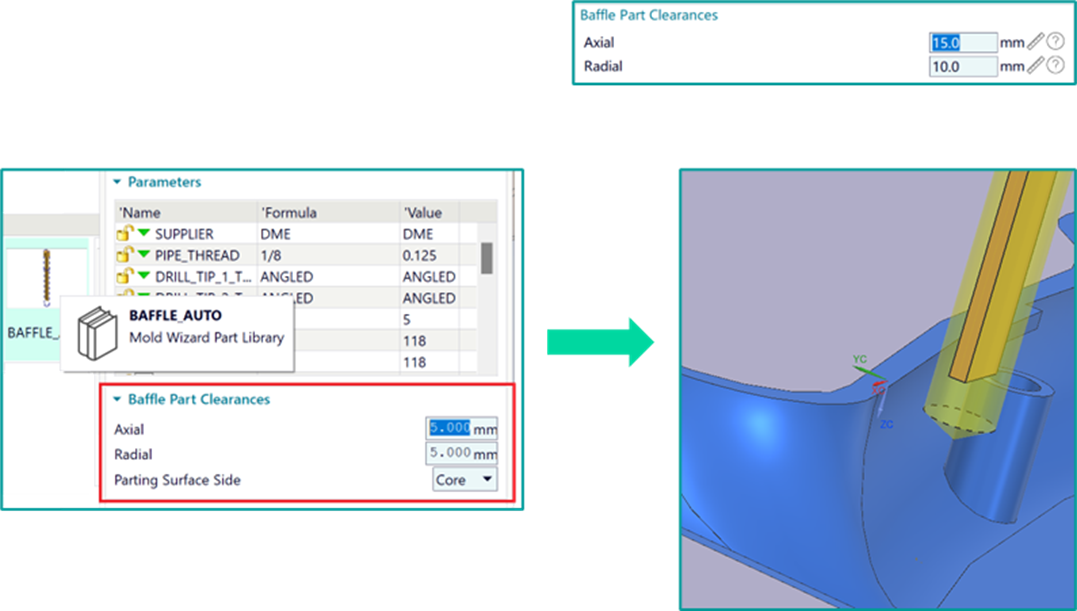
Results:
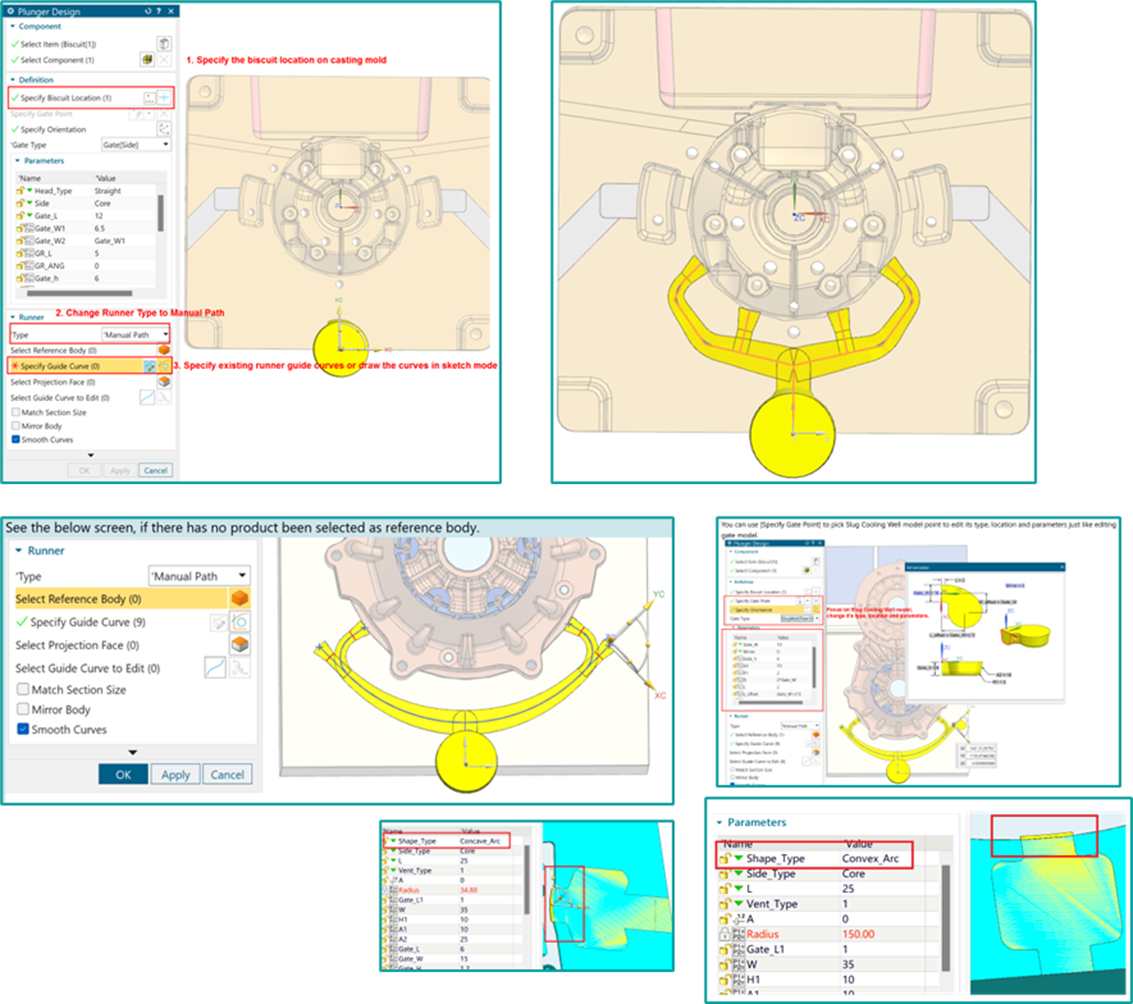
Plunger Design for Pressure Die Casting
A new sketch-based runner option allows runner paths to be created from user-defined sketches, with enhanced spline editing and automatic overflow handling.
6. Electrode Design and Tool Motion Simulation Enhancements
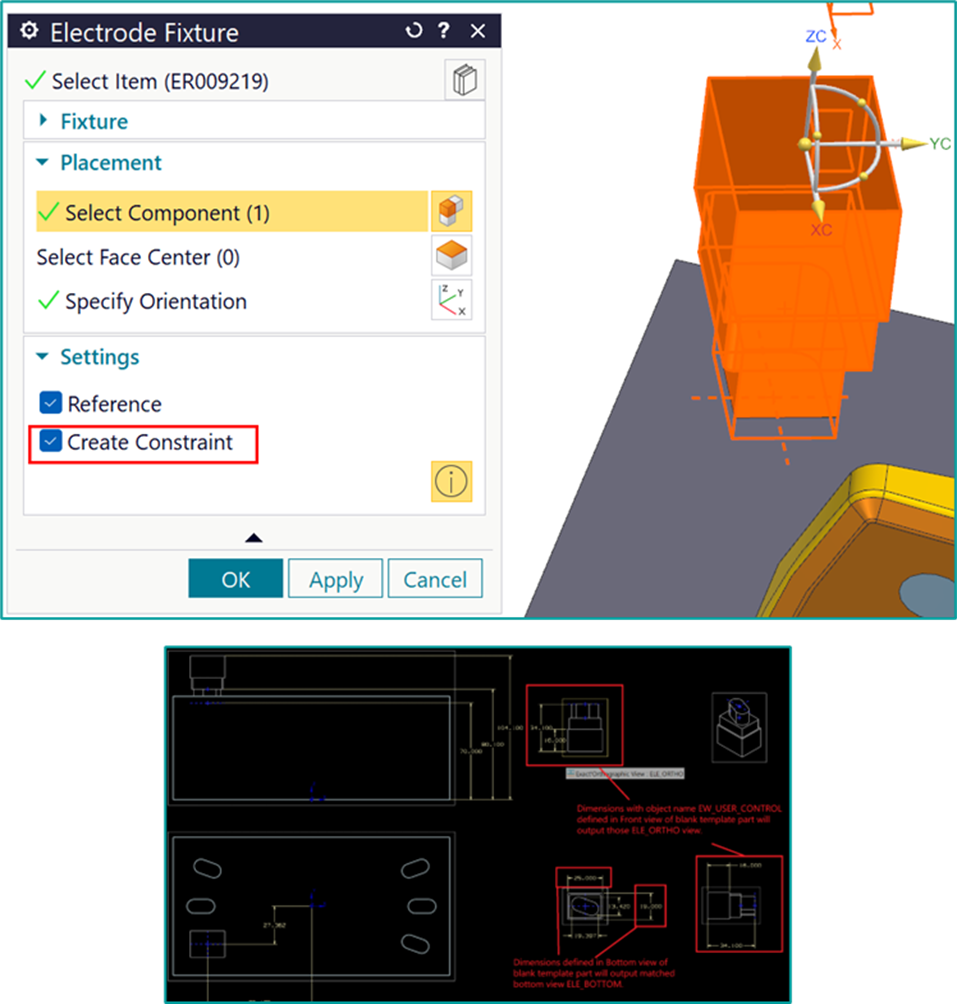
Electrode Drawing Automation
Key improvements in electrode drawing include:
Tool Motion Simulation – Cavity Demold Support
NX 2512 introduces Perform Cavity Demold, enabling accurate simulation of product release during mold opening.
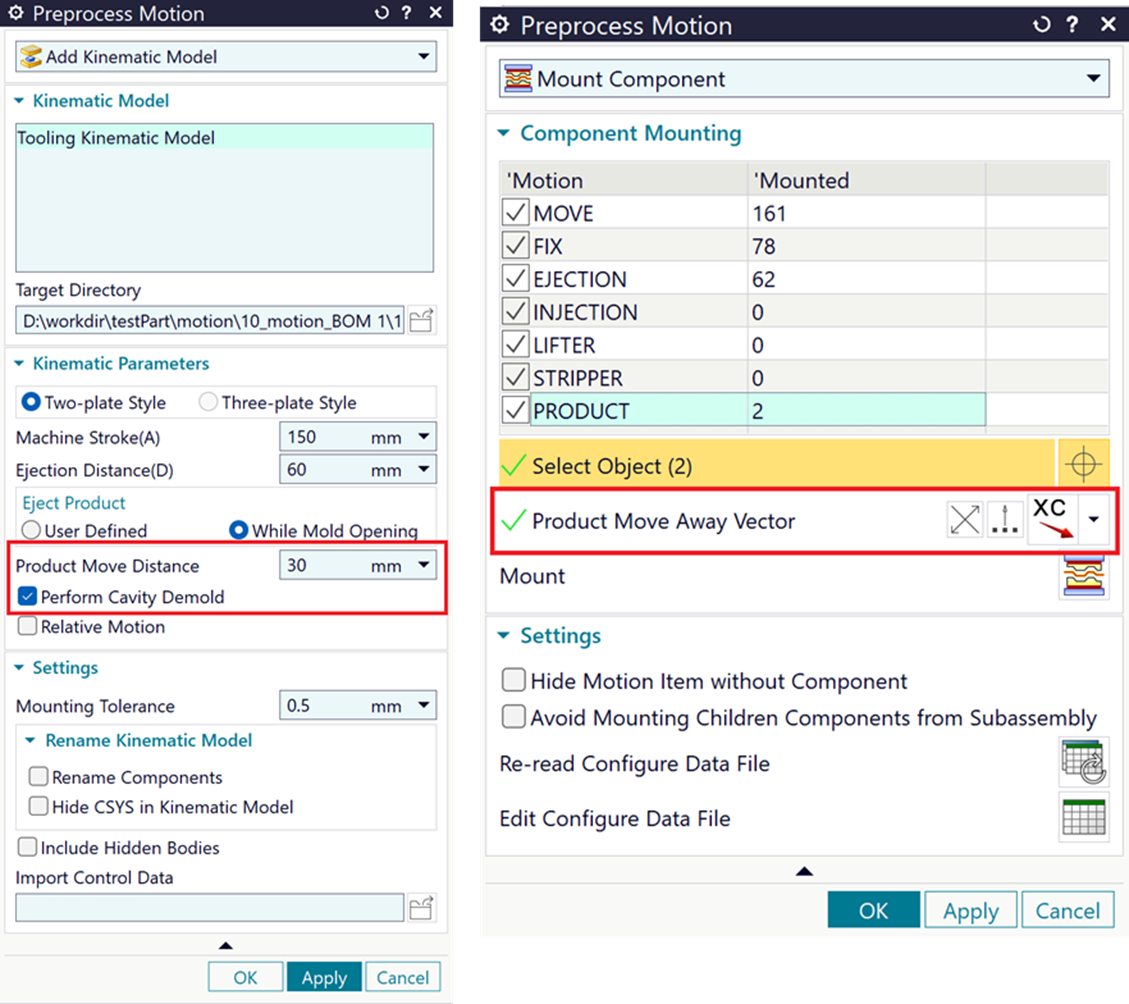
This helps users:
7. Business Benefits of Designcenter NX 2512 for Mold Manufacturers
With Designcenter NX 2512, mold and tooling companies can:
Conclusion
Designcenter NX 2512 represents a significant step forward in mold, stamping, and die casting tool design. By combining intelligent automation, advanced simulation, and consistent data management, NX 2512 empowers engineering teams to design higher-quality molds faster and with greater confidence.
This release is especially valuable for manufacturers seeking to enhance productivity, reduce costly iterations, and accelerate digital transformation in tooling and mold development.